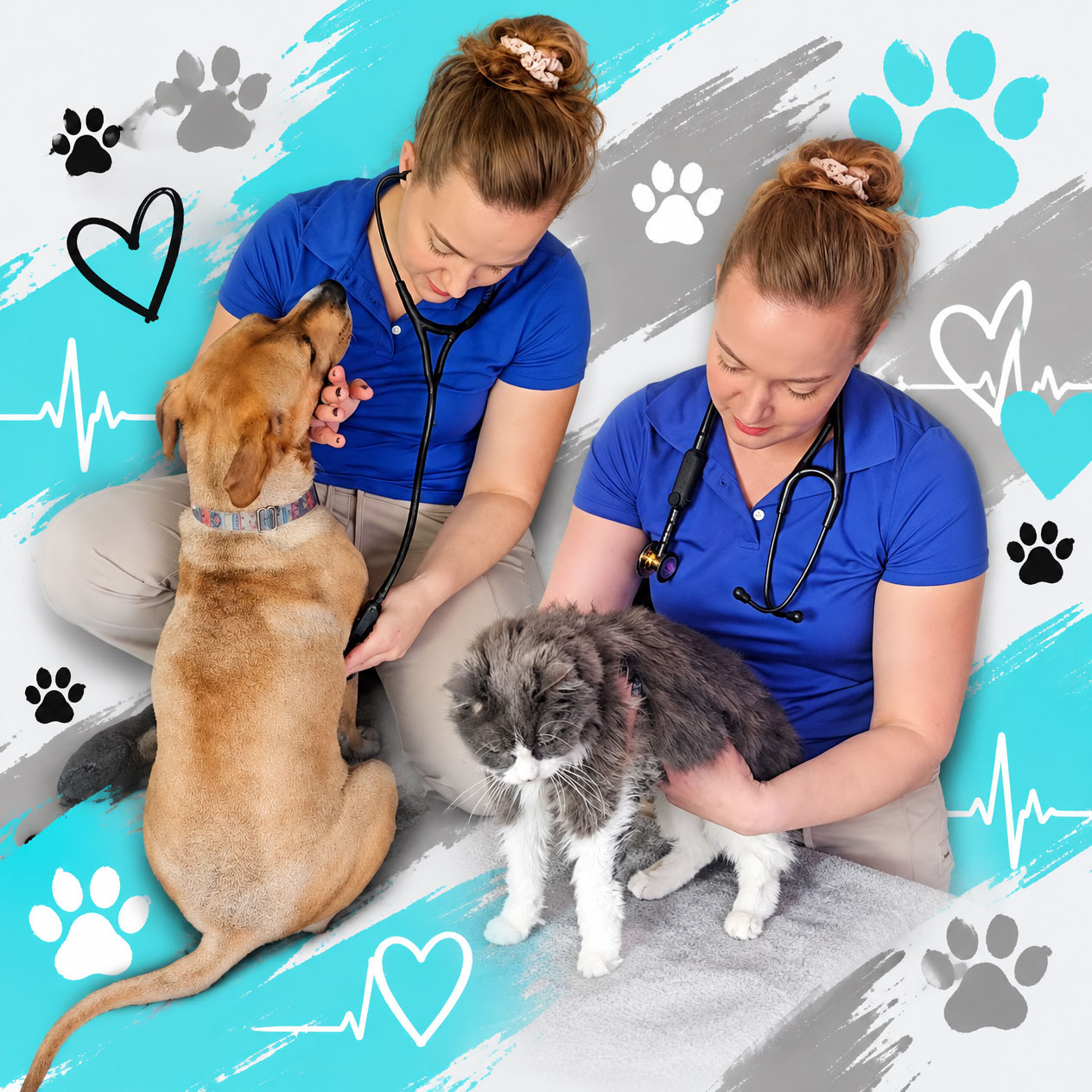
The Western Physical Exam: What I Check in 60 Seconds (and Why It Comes First)
A minute that tells me a lot
A good physical exam only takes about 60 to 90 seconds. Don’t let that fool you. In that minute, I take in far more than I could ever write down.
It’s also the starting point of every integrative consult. In my last post, what happens at an integrative vet consultation, I walked through the whole process. This post zooms in on one piece of it: the Western physical exam, nose to tail, and why it comes before any needle, laser, or adjustment.
Nose to tail: what I’m looking for
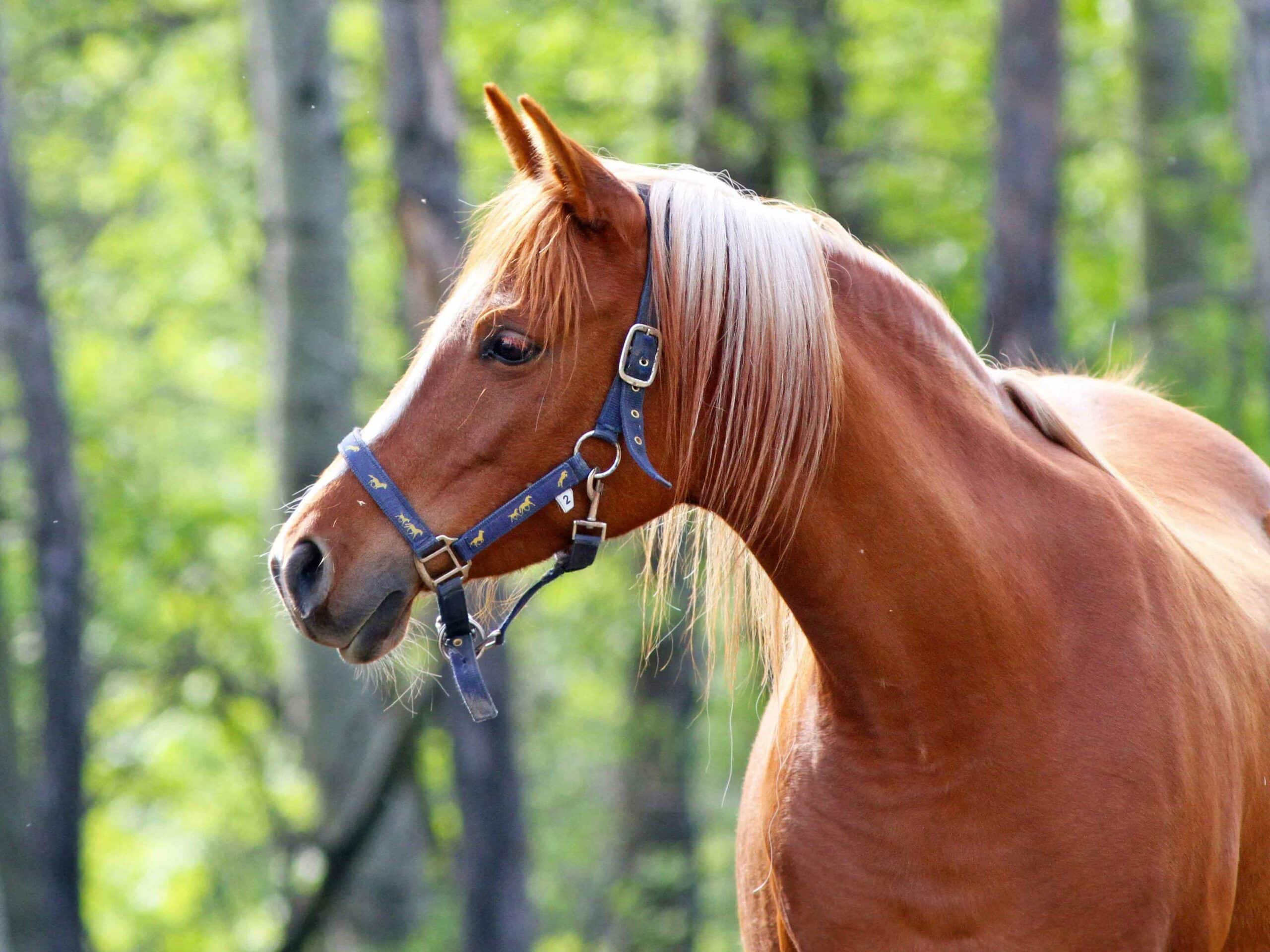
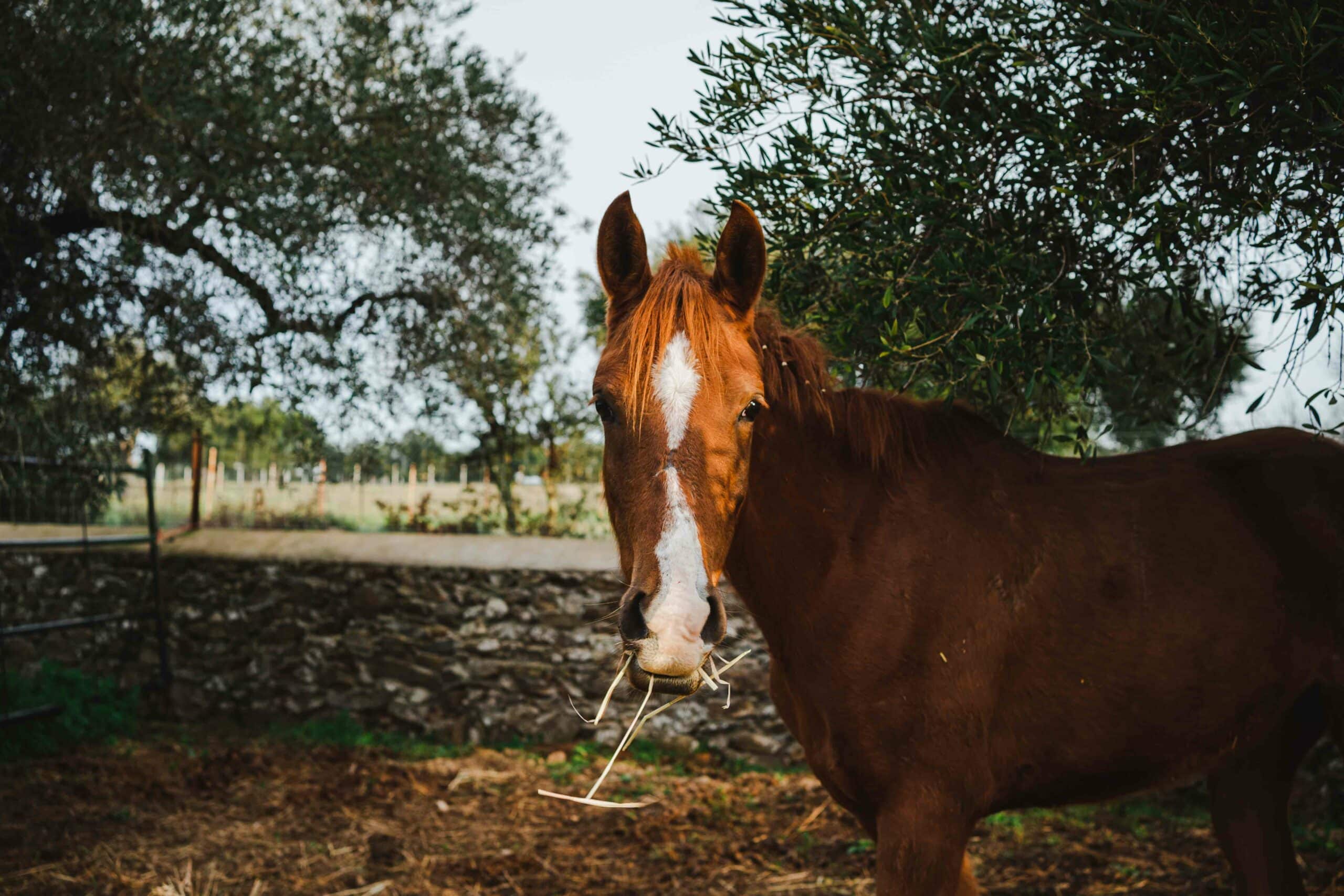
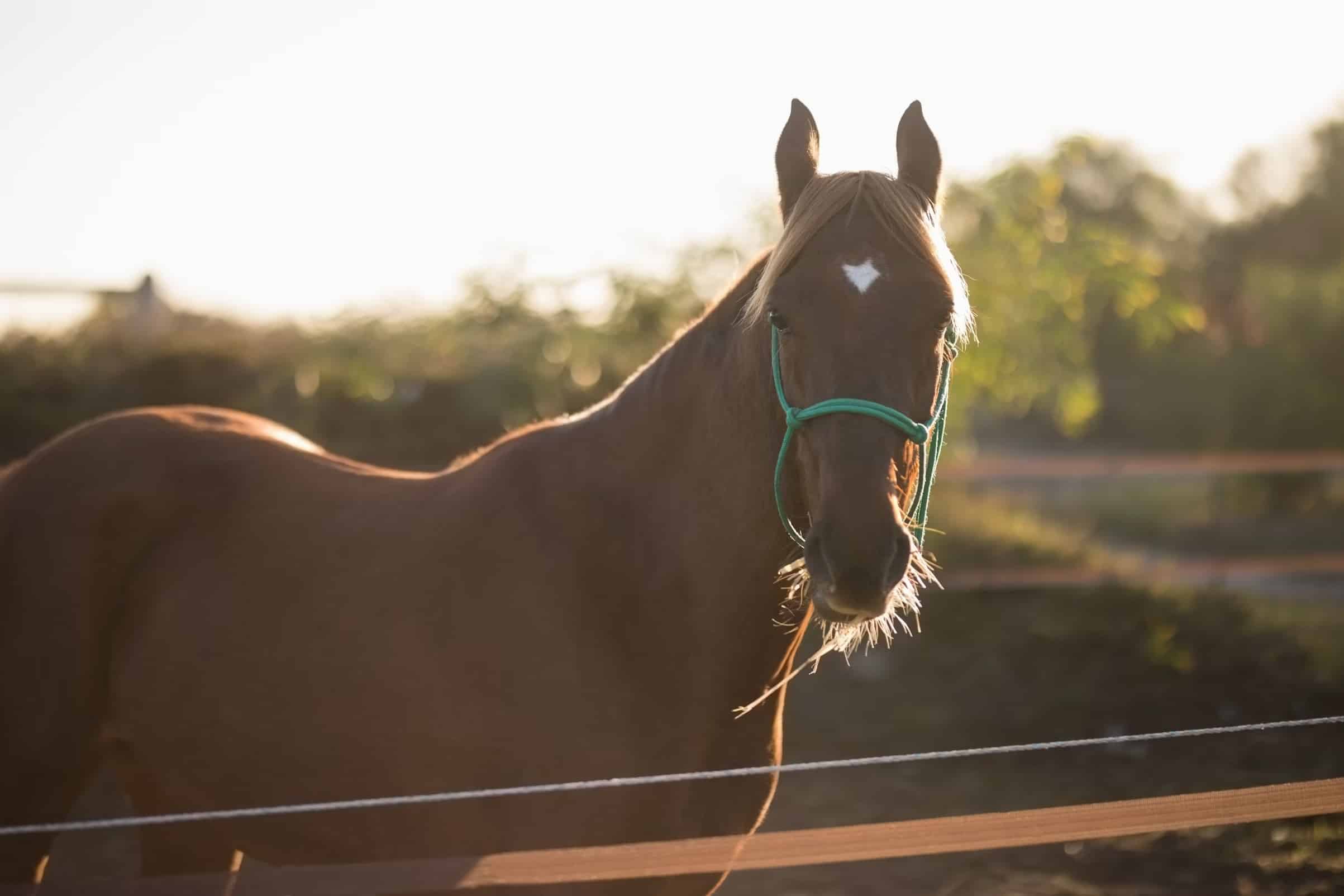
Here’s the checklist running through my head, whether I’m examining a horse, a dog, or a cat:
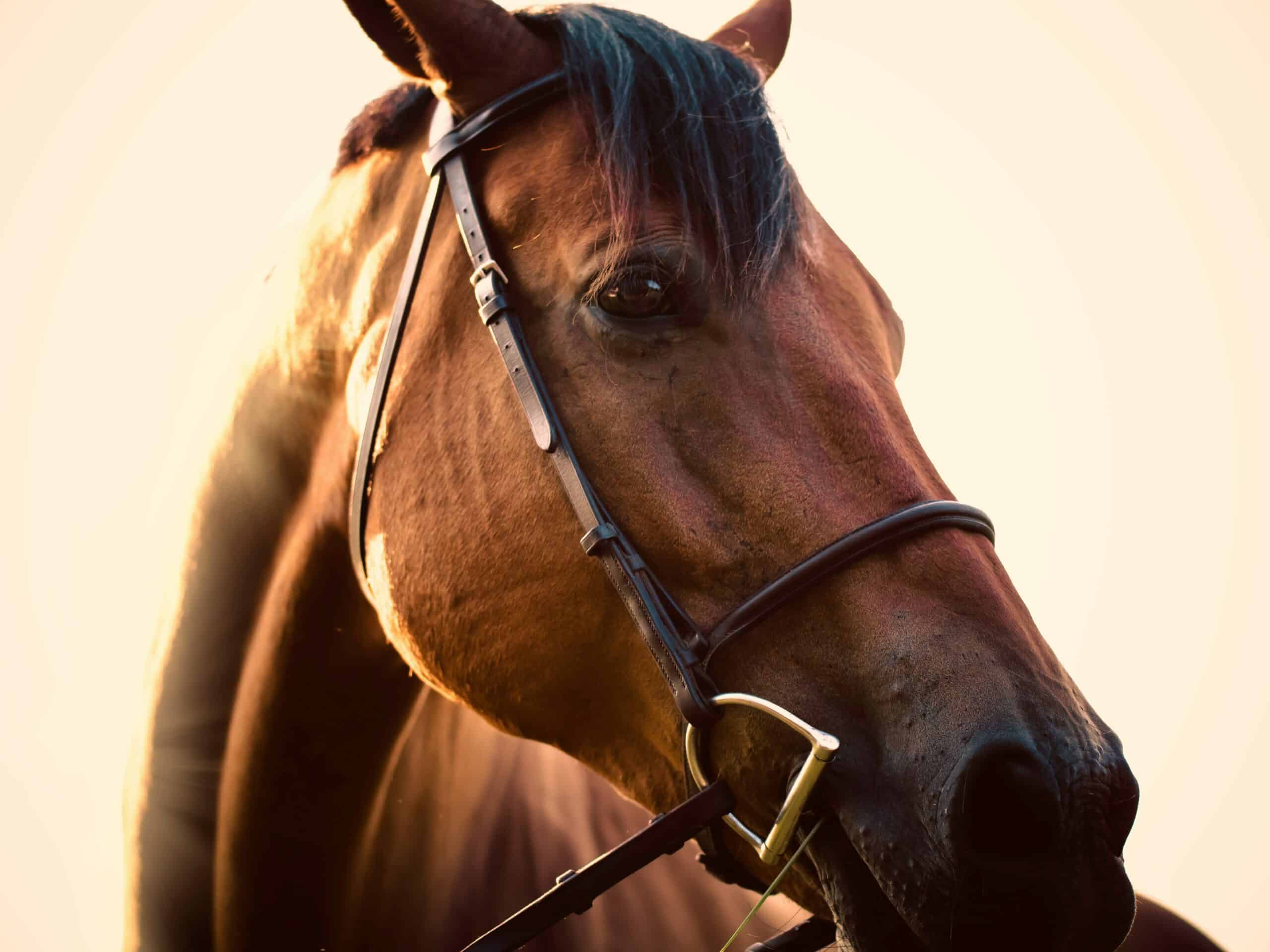
- Nose: Any discharge? Any change in pigment?
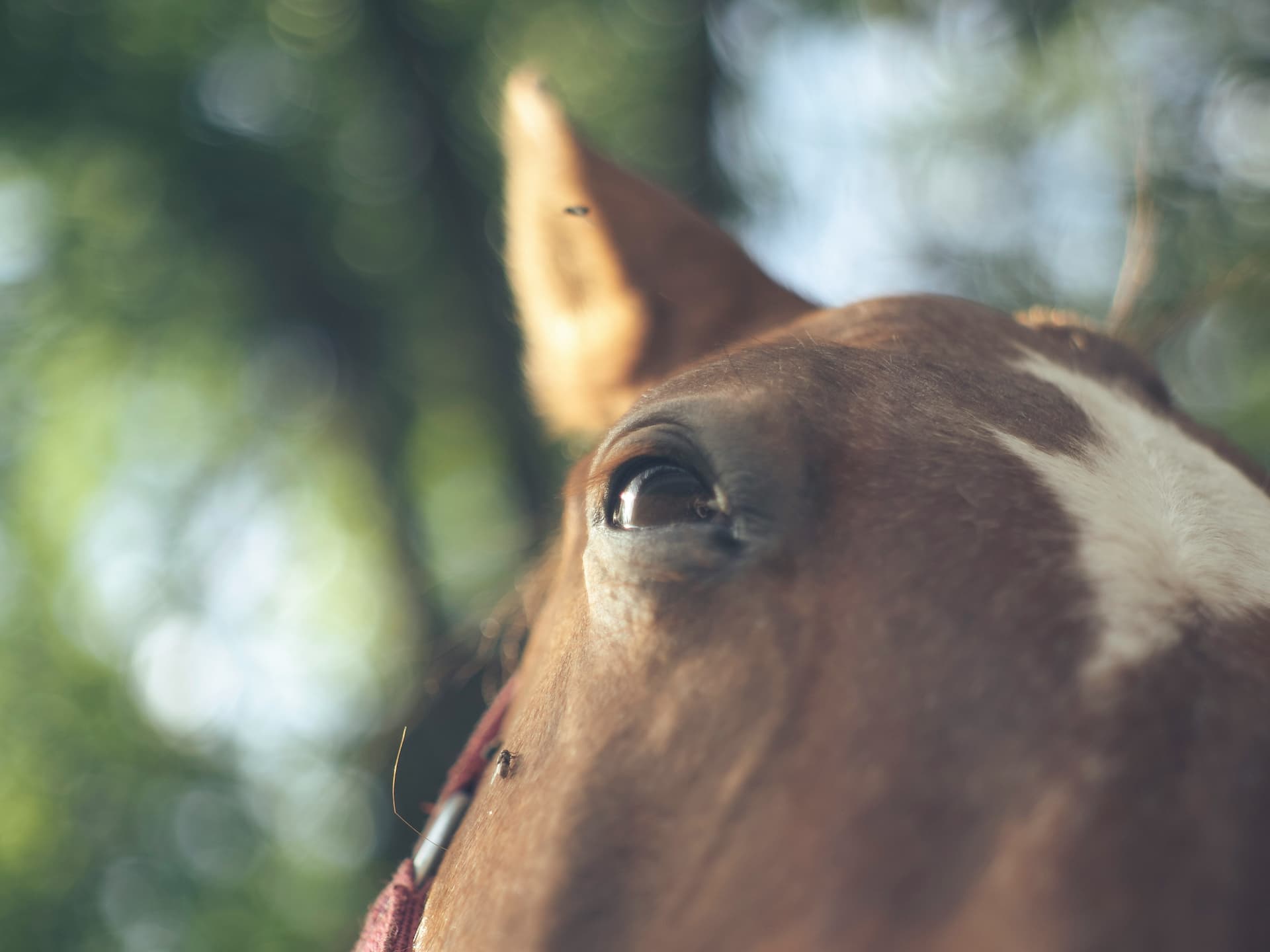
- Eyes: Is the white of the eye injected (red and engorged)? Signs of conjunctivitis? Any discharge?
- Ears: Any sign of infection?
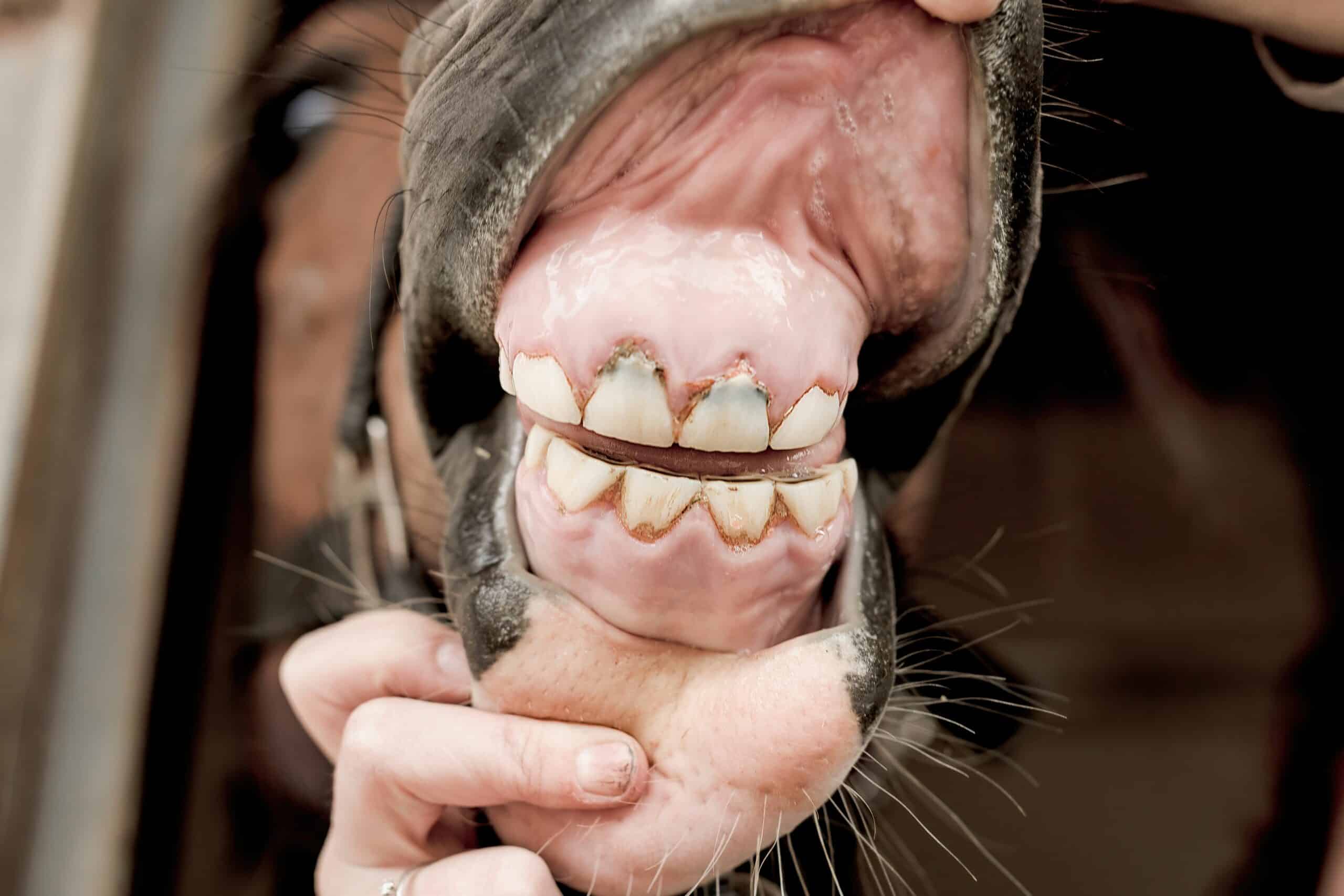
- Teeth: Any significant dental disease? Malocclusion? Does the animal’s age match the dentition? (You’d be amazed at how many don’t)
- Lymph nodes: I feel all the external ones. Is any enlarged, or is it just a single one?
- Joints: Excessive crepitus? Decreased range of motion? Swelling, heat, or pain?
- Coat: Shiny or dull? Shaggy or matted? Is the tail ratty, or long and full? Any scars?
- Lungs: Do they sound normal or harsh, raspy or muffled?
- Heart: Is the rate normal? Is the rhythm normal? Any murmur or thrill (a buzzing I can feel through the chest wall)?
- Gut sounds: Normal borborygmi (that’s the gurgling), or is there pain when I palpate?
- External genitalia: Normal conformation? If intact, are the testes or vulva normal? A recent heat cycle? Normal prepuce appearance?
- Movement: Is the gait normal? If not, is it a physical injury or a genetic deformity that keeps them from moving normally?
What’s really happening in that minute
Here’s the best way I can explain it. When I see and feel an animal, I’m checking my own “AI brain database” for red flags and cross-references before I’m willing to call that animal apparently healthy.
A dull coat. One enlarged lymph node. A slightly muffled lung sound. Each of those has a whole list of possible causes behind it, and once I combine them with the history, the list narrows quickly.
That’s why there isn’t nearly enough room on a form to write down everything that passes through my head in those 60 to 90 seconds. No robot in my truck, just a very busy brain. This brain also has intuition and experience, so when things seem suspicious or don’t add up to the ‘normal disease presentation’, I call on experience and sometimes phone a fellow vet.
Why integrative care still needs Western medicine
Integrative therapy plays a big role in how I help most of the animals I see. But the physical exam is how I find out when an animal also needs a Western approach, and sometimes that has to come first.
- Hormone or endocrine imbalance can show up as weight gain, weight loss, or a shaggy coat. It needs bloodwork and, often, medication.
- Injected sclera can point to high blood pressure. That calls for blood pressure testing and medication.
- A genetic deformity or a limb injury may need orthopedic surgery to correct the biomechanics of the leg.
- Severe dental disease may just need a good float or dental cleaning and some bad teeth pulled to fix the problem
- Lethargy and fever: acupuncture can support an animal that feels run-down, but if the cause is Anaplasmosis or Theileria, testing and medication are required to actually clear the disease.
Needles or adjusting can’t replace a diagnosis. The exam is how I know which tool the animal needs.
What “apparently healthy” means
If the exam comes back clean, I call the animal apparently healthy. That means nothing in that minute raised a flag, and nothing needs a Western workup right now. It’s a good result, and it’s where integrative care can do its best work.
You help me here, too. Whatever you’ve noticed lately, whether it’s a change in appetite, a new stiffness, a dull coat, or a cough, is part of what I weigh. Tell me everything, even the small stuff.
Ready to book?
I bring the whole consultation, physical exam included, to your barn or driveway, serving North Central Texas and South Central Oklahoma. Book through shalakovetmed.com
Want to see how the exam fits into the full process? Start with what happens at an integrative vet consultation.
Hank gave this post two paws up.