Pasture, Hay, and Supplements: Building a Smart Cool-Season Feeding Plan for Horses
Cool-season weather in North Central Texas might not bring snow and ice like northern climates, but it still signals important changes in how we care for our horses. Just because our winters are milder doesn’t mean your horse’s diet can stay the same year-round. In fact, even a slight dip in temperatures or a slow-down in pasture growth can mean your horse needs a little extra support to stay healthy, maintain weight, and feel their best.
That’s where a well-balanced feeding plan comes in: one that takes into account your pasture quality, hay supply, and any needed supplements. If you’re wondering how to adjust your horse’s nutrition during the cooler months, we’ve got you covered.
Let’s break down each piece of the puzzle so you can build a smart, seasonal feeding plan from the ground up.
Pasture Changes as Temperatures Cool
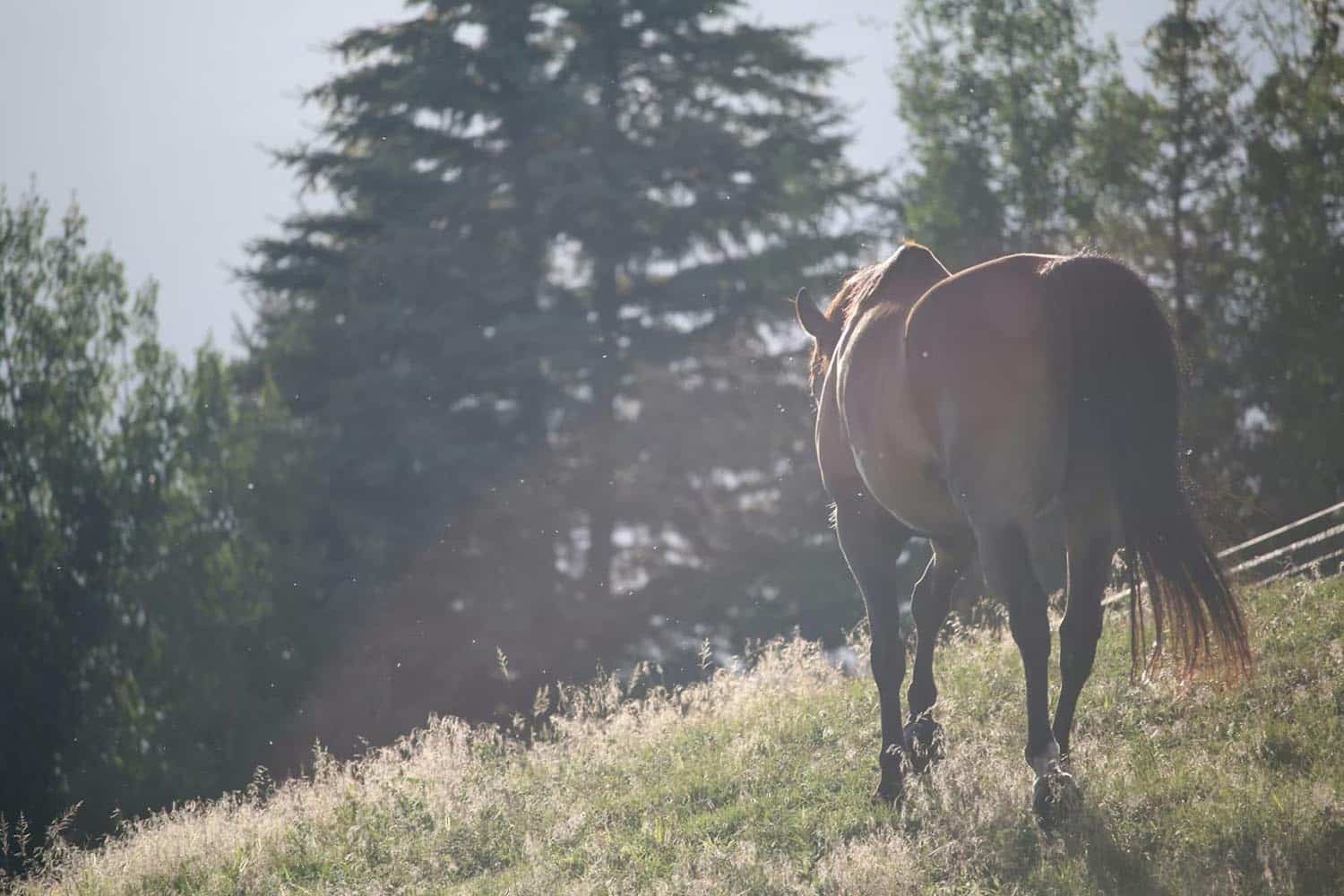
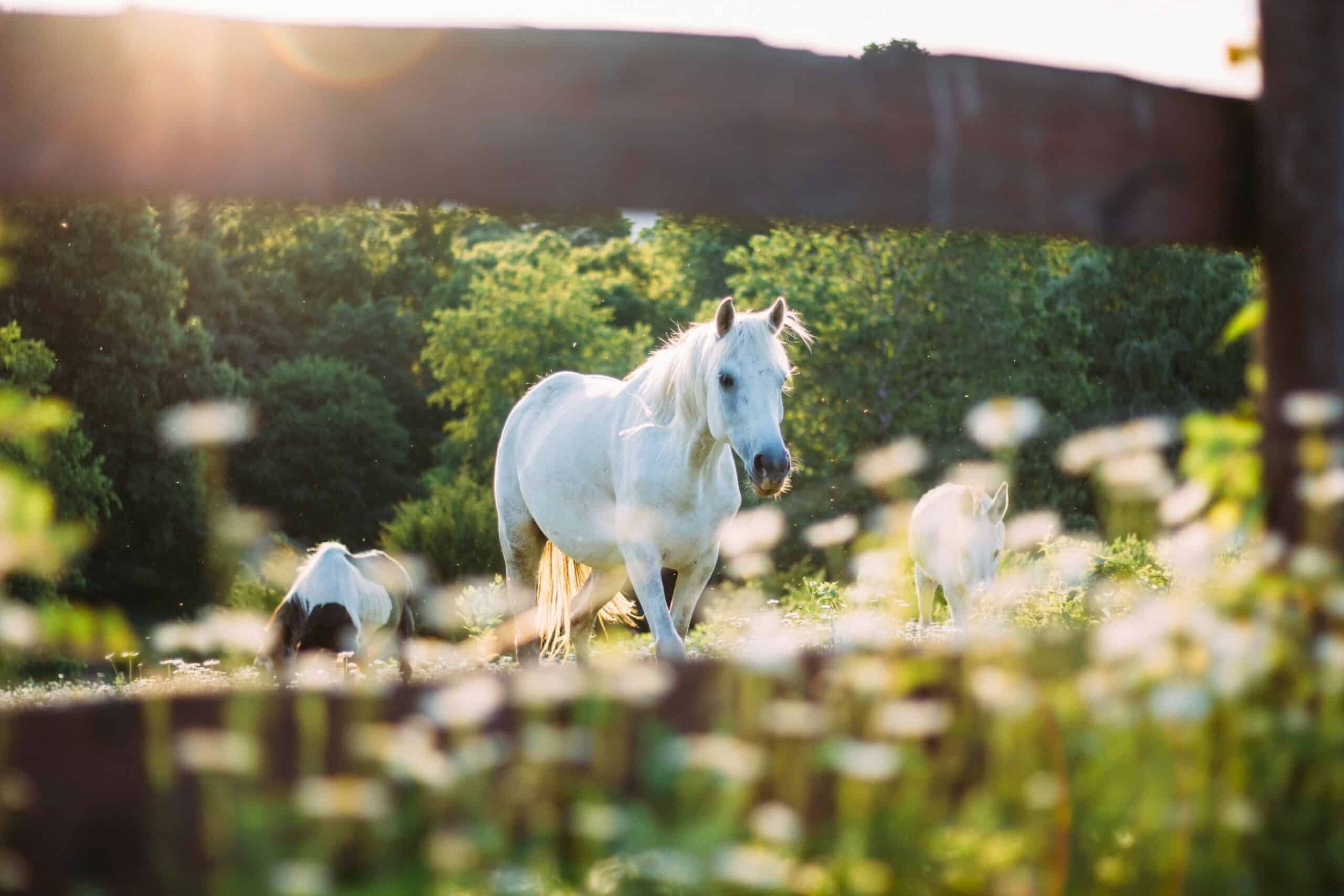
In our North Central Texas climate, pastures don’t go fully dormant in the winter, but their quality still shifts. As we move from fall into winter, you’ll likely notice slower grass growth and reduced nutritional content, especially in warm-season grasses like Bermuda. Depending on your pasture management practices and the rainfall your area received, forage may become less available and lower in protein and energy.
Here are a few signs your pasture may not be providing enough nutrition:
- Horses spend more time grazing but seem less satisfied
- You notice weight loss or dull coats
- Hoof and coat condition begins to decline
Rotational grazing and allowing rest periods can help protect your pasture’s long-term health. But during the cool season, you’ll likely need to provide more supplemental hay to make up for what your pasture can no longer offer.
Choosing High-Quality Hay
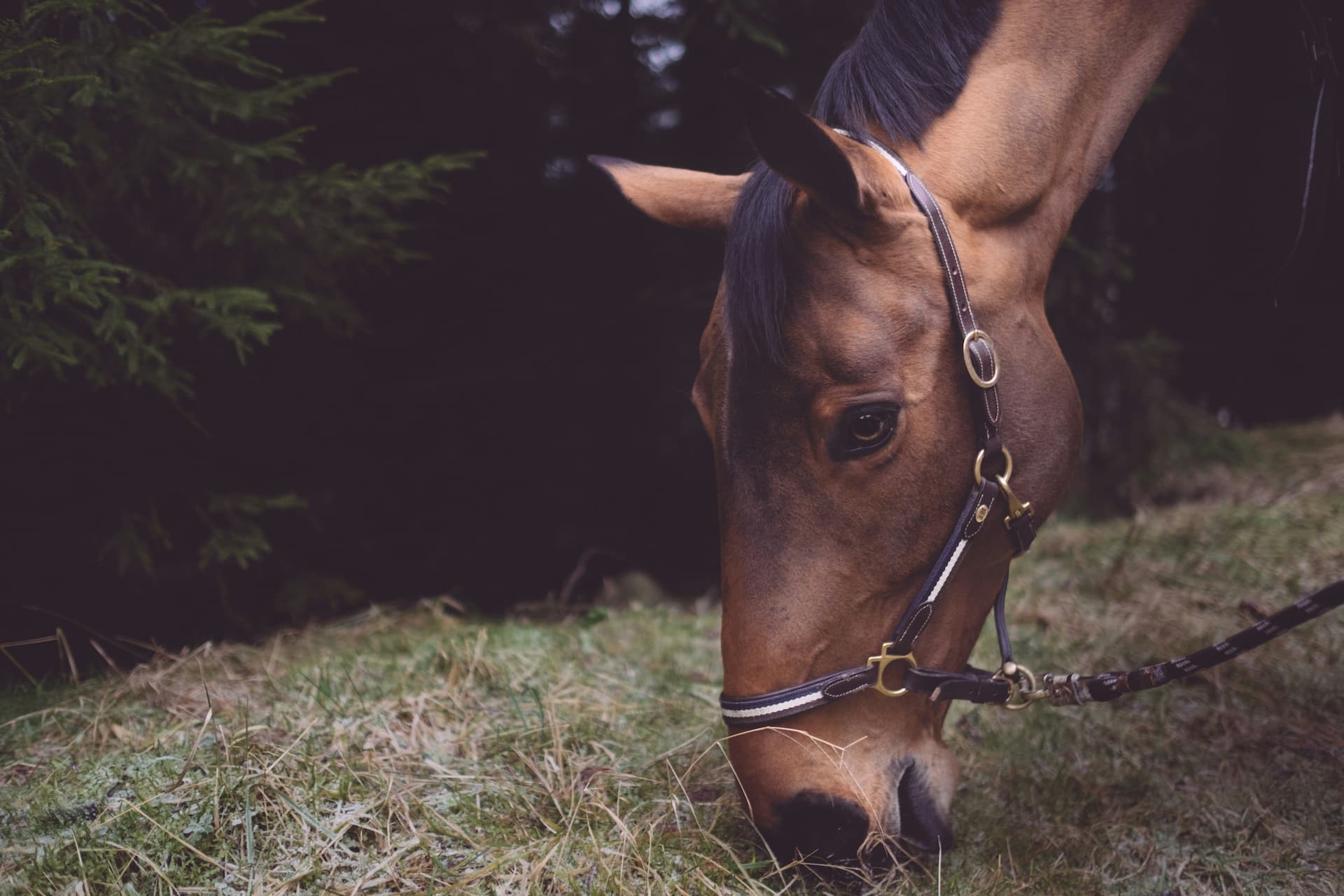
Hay becomes the foundation of your horse’s diet when pasture is lacking, so choosing the right type and quality is important. In North Central Texas, commonly used hays include coastal Bermuda and alfalfa. Each has its pros and cons depending on your horse’s needs.
Coastal Bermuda Hay is widely available and usually more affordable. It’s a good source of fiber but can be low in protein, so it may not be ideal as the sole forage for growing horses or those in hard work.
Alfalfa Hay is higher in protein and calcium, making it a great choice for horses with higher nutritional demands. Mixing a small portion of alfalfa with grass hay can help round out the diet without overloading your horse.
Before feeding any hay, be sure it’s:
- Clean and free from mold or dust
- Stored in a dry area to preserve nutrients
- Tested, if possible, for its nutritional value (especially if feeding horses with special needs)
Feeding hay by weight, not just flakes ensures your horse gets a consistent, adequate intake. Most adult horses need between 1.5% and 2.5% of their body weight in forage each day.
Do You Need Supplements This Season?
Supplements can be incredibly helpful, but only when used thoughtfully. During the cooler months, your horse may benefit from added support in a few key areas.
Common supplements for cool-season support:
- Vitamin E and Omega-3s: Pasture is the main source of these nutrients, so when grazing is limited, a deficiency can develop. These nutrients support immune function, muscle health, and skin condition.
- Salt and Electrolytes: Even in cooler weather, horses lose electrolytes through sweat during exercise. Providing free-choice salt or a balanced electrolyte can help maintain hydration.
- Digestive Support: If your horse is sensitive to hay changes or prone to ulcers, a probiotic or gut health supplement may help ease the transition.
It’s always best to talk with our veterinary team before starting any new supplement. Over-supplementation can be wasteful or even harmful if it throws off your horse’s overall diet balance.
Watch Their Weight and Body Condition
Winter coats can easily hide changes in body condition. Make it a habit to run your hands along your horse’s ribs, spine, and hindquarters to feel for weight loss or gain. If you notice a change, small adjustments to your feeding plan can make a big difference before the issue becomes more serious.
Consider your horse’s:
- Age
- Work level
- Breed
- Health history
Senior horses, those in moderate to heavy work, and horses with metabolic concerns may require extra calories or specific types of feed. Monitoring your horse’s condition every few weeks is a simple but effective way to keep their nutrition on track.
When to Call Our Veterinary Team
Even with a solid feeding plan, some horses will need a bit more support during the cooler months. If your horse is dropping weight, struggling with energy levels, or showing signs of nutritional imbalance (like poor coat or hoof condition), it may be time for a nutrition evaluation.
Our veterinarian can help you:
- Evaluate your current feeding program
- Recommend hay or supplement changes
- Identify health issues affecting digestion or nutrient absorption
Working with a local veterinary team who understands Texas forage and seasonal changes ensures your feeding plan is both practical and effective.
Keep Your Horse Feeling Their Best All Season Long
Your horse’s nutrition doesn’t need a total overhaul every time the temperature changes but it does deserve a closer look. By staying in tune with pasture changes, selecting high-quality hay, and supplementing when needed, you’re setting your horse up for success, even during the cooler months.Whether you’re caring for a performance horse or a retired companion, building a smart feeding plan now can prevent bigger problems later. And if you’re ever unsure, our veterinary team is just a call away and happy to help.
Call Shalako K Veterinary Medicine at (214) 551-5334 to schedule a nutrition consultation.